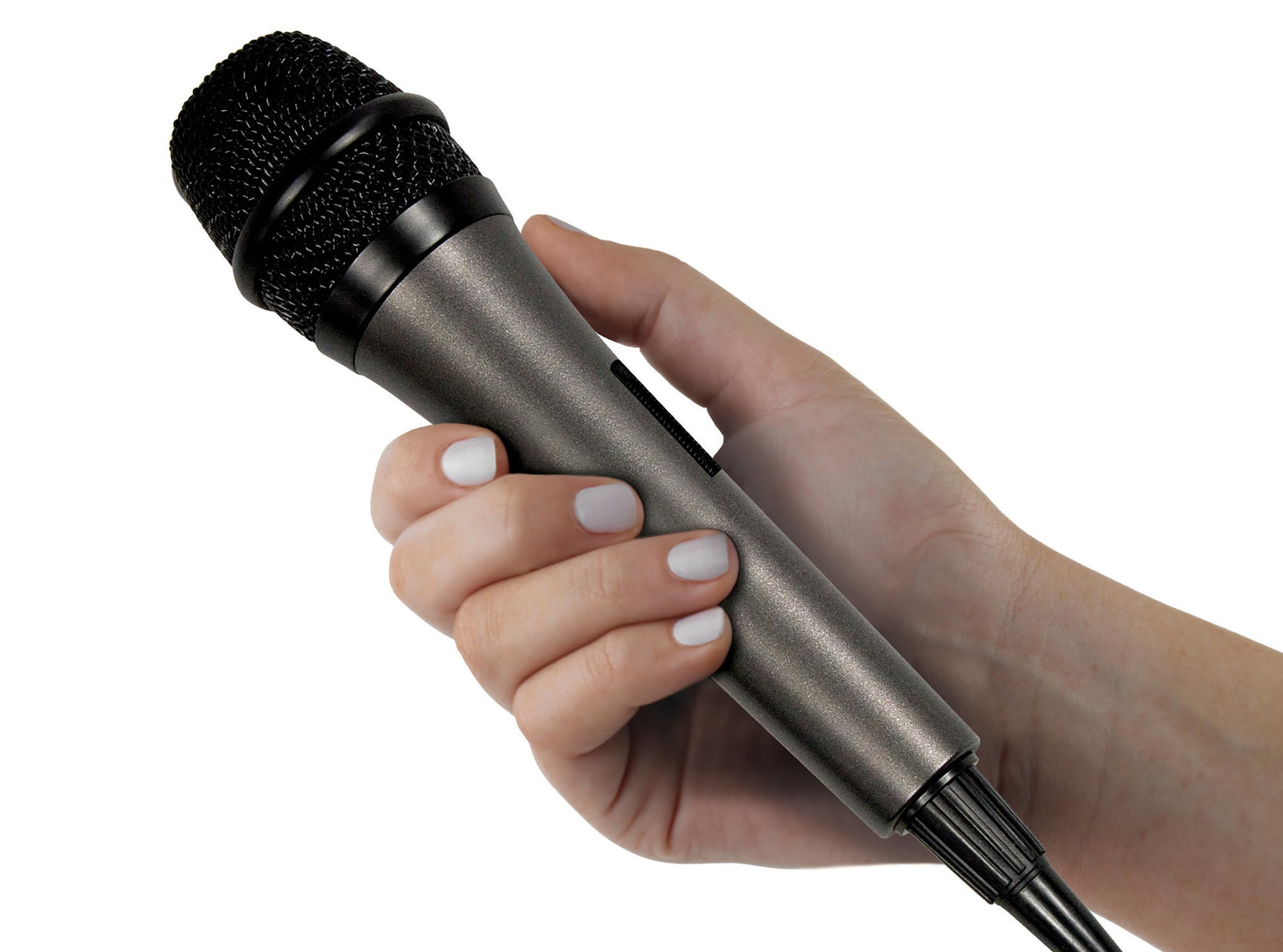
Understanding Mic Placement: The Key to Capturing Crystal Clear Sound
When it comes to audio recording, mic placement is crucial for achieving optimal sound quality. Properly positioning your microphone can significantly impact the clarity and richness of the audio you capture. Factors such as distance from the sound source and angle of the mic can alter the tonal characteristics of the recording. For instance, placing a mic too close can produce unwanted proximity effects, while positioning it too far may lead to a loss of detail. Therefore, understanding the best practices for mic placement can make all the difference in producing crystal clear sound.
There are several key considerations to keep in mind for effective mic placement. First, consider the type of microphone you are using, as dynamic and condenser mics have different pickup patterns and sensitivities. Here are some tips to enhance your mic placement:
- Test different positions: Experiment with various distances and angles to discover what works best for your specific sound source.
- Mind the environment: Always be aware of background noise; position your mic to minimize unwanted sounds.
- Use a pop filter: This can help reduce plosive sounds when recording vocals.
Counter-Strike is a tactical first-person shooter game that has captivated millions of players worldwide. It features intense team-based gameplay where players can choose to play as terrorists or counter-terrorists. The game requires strategy, teamwork, and quick reflexes. For those looking to enhance their gaming experience, a quality microphone is essential. Check out the Top 10 iphone microphones to find the best options available. Over the years, Counter-Strike has evolved through various iterations, with Counter-Strike: Global Offensive currently being the most popular version.
Common Mic Mistakes That Could Be Sabotaging Your Sound
Common mic mistakes can often lead to subpar sound quality, affecting your recordings or performances. One prevalent issue is microphone placement. Placing the mic too close to your mouth can cause unwanted popping sounds, while positioning it too far away might lose the richness of your voice. To achieve the best sound, consider using a pop filter and maintaining an optimal distance—usually around 6-12 inches—depending on the type of microphone you're using. Additionally, not accounting for ambient noise can further sabotage your recording. Always ensure you're in a quiet space or use directional microphones to minimize unwanted sounds from your surroundings.
Another common error is neglecting to adjust your audio levels appropriately. If your levels are too high, you risk clipping, which distorts the sound and diminishes clarity. Conversely, settings that are too low can introduce hiss and make your audio undistinguishable. It's crucial to regularly monitor your levels and make adjustments to avoid these pitfalls. Furthermore, not using the right type of microphone for the situation can drastically impact your audio quality. For example, utilizing a dynamic microphone for live performances is often ideal, while condenser microphones excel in studio settings, capturing a wider frequency range.
Is Your Microphone a Spy? How Environmental Factors Affect Audio Quality
The question Is Your Microphone a Spy? may sound sensational, but it's essential to understand how environmental factors can influence both the functionality of your device and your privacy. Microphones can pick up more than just your voice; they can capture ambient sounds from your surroundings, which can lead to unintentional exposure of private conversations. Factors such as background noise, distance from the audio source, and even material characteristics of the environment can significantly affect the audio quality. For example, a microphone placed in a quiet room versus one located in a bustling café will yield drastically different recordings, potentially compromising the integrity of your communication.
Moreover, certain technological features like noise cancellation and directional sensitivity can also alter the level of surveillance that goes on without your consent. If you’re using a microphone that’s too sensitive, it might inadvertently capture confidential discussions happening outside your intended audio focus. Therefore, to ensure your privacy, it’s crucial to evaluate both the quality and the capabilities of your microphone in relation to its environment. Maintaining awareness of these factors is not only vital for ensuring optimal audio quality but also in safeguarding your personal information from unwanted eavesdropping.