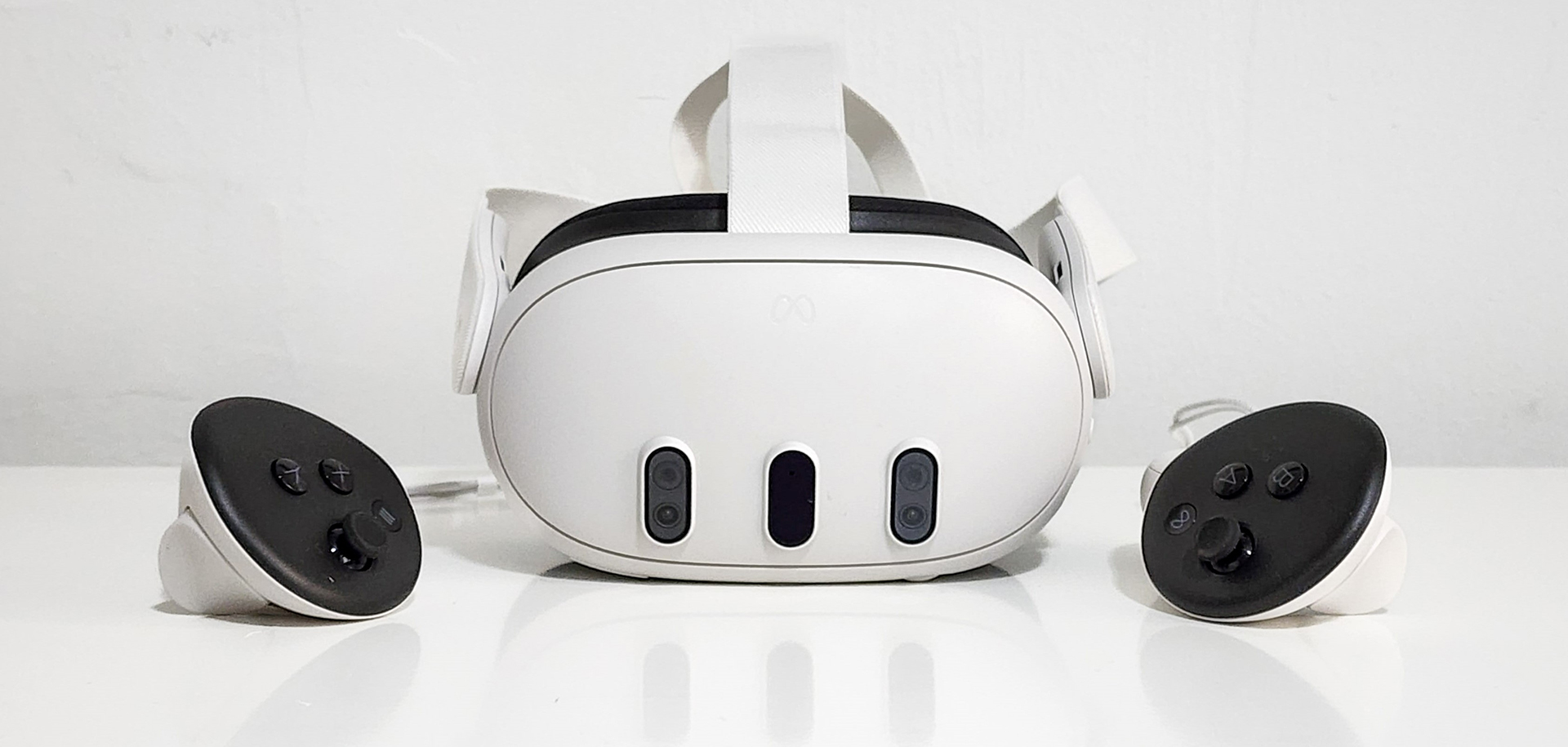
Exploring the Bizarre: How VR Transports Us to Absurd Worlds
Exploring the Bizarre through virtual reality (VR) opens up a realm of absurd worlds that challenge our perceptions and ignite our imaginations. Imagine stepping into a dimension where gravity is merely a suggestion, colors defy logic, and the laws of physics are rewritten. VR technology allows us to immerse ourselves in these bizarre landscapes, providing experiences that are not only entertaining but also thought-provoking. By engaging in these fantastical settings, users can explore concepts of reality and imagination in ways that traditional media cannot replicate.
As we delve further into these surreal experiences, it becomes evident how VR transports us beyond our quotidian lives. For instance, consider a virtual journey through a world governed by whimsy—a place where oversized creatures frolic and the environment morphs at a whim. These unique virtual experiences encourage creativity and self-expression, allowing individuals to confront fears, tap into their subconscious, or simply embrace the absurd. By pushing the boundaries of storytelling and interactivity, VR technology is redefining the way we engage with digital content, making it a pivotal tool for shaping the future of entertainment.
Counter-Strike is a highly competitive first-person shooter that has gained immense popularity since its release. Players compete in teams to complete objectives, such as planting or defusing bombs, which requires strategy and teamwork. If you're looking to enhance your gaming experience, check out the Top 10 apple vision pro accessories to find gear that can help you perform at your best.
Beyond Imagination: The Evolution of Virtual Reality Experiences
The journey of Virtual Reality (VR) has been nothing short of extraordinary, evolving from rudimentary simulations to immersive experiences that challenge the very boundaries of human imagination. Initially, VR was relegated to specialized technology used in scientific research and military training; however, its transition into mainstream entertainment has paved the way for a new era of engagement. Today, users can dive deep into vividly rendered environments, interact with hyper-realistic avatars, and experience stories that feel almost tangible. As hardware continues to advance, the lines separating reality from the virtual world blur even further, setting the stage for unparalleled adventures.
As we look ahead, the potential applications of VR experiences appear limitless. From education and therapy to gaming and social interaction, the impact of this technology resonates across multiple sectors. For instance, in education, virtual classrooms allow students to explore historical sites and scientific phenomena as if they were actually there, enhancing their understanding and retention. Similarly, in mental health, VR is being employed as a therapeutic tool, helping individuals confront fears and traumas in a controlled, safe environment. With continual technological advancements and increasing accessibility, the evolution of virtual reality experiences will likely reshape the way we perceive and interact with the world around us.
Can Virtual Reality Redefine Our Understanding of 'Reality'?
As technology continues to evolve, Virtual Reality (VR) has emerged as a transformative medium, pushing the boundaries of how we define and perceive 'reality'. With immersive experiences that engage multiple senses, VR challenges the traditional understanding of the world around us. Users can step into entirely reconstructed environments, simulate complex scenarios, and even experience situations they may never encounter in their everyday lives. This leap into virtual landscapes raises profound questions: If we can craft a convincing illusion of reality, how do we differentiate between the virtual and the real?
Furthermore, the implications of VR extend beyond mere entertainment; they are reshaping fields such as education, therapy, and social interactions. For instance, in therapeutic settings, VR is utilized to help patients confront phobias or traumatic memories in a safe environment, fostering a new type of healing. Similarly, educational institutions are utilizing VR to create immersive learning experiences that allow students to explore historical events or scientific concepts firsthand. As we continue to integrate VR into various aspects of our lives, the question persists: Can this technology genuinely redefine our understanding of 'reality', or is it merely a sophisticated illusion that exists alongside it?