Exploring the Benefits of Noise Cancellation: A Deeper Dive into Daily Life
Noise cancellation technology has become increasingly popular in our daily lives, offering an immersive audio experience that transcends ordinary listening. By actively reducing unwanted ambient sounds, these devices allow users to focus on the music, podcasts, or even meditative sounds they desire. This can be particularly beneficial in crowded environments such as public transport, offices, or cafes, where distractions can hinder productivity. In fact, studies have shown that individuals using noise-cancelling headphones experience a marked improvement in their ability to concentrate and complete tasks efficiently.
Moreover, the mental health benefits of noise cancellation cannot be overlooked. In today's fast-paced world, constant noise can lead to heightened stress levels and anxiety. By utilizing noise-cancelling technology, individuals can create a personal oasis free from disturbances, promoting relaxation and reducing the mental burden of a busy environment. Whether it's taking a moment during a hectic workday or enjoying a peaceful evening at home, incorporating noise cancellation into daily routines can significantly improve overall well-being and maintain a healthy work-life balance.
Counter-Strike is a highly popular first-person shooter game that pits teams of terrorists against counter-terrorists in various game modes. It emphasizes strategy, teamwork, and precise aiming, making it a favorite within the competitive gaming community. For those looking to enhance their communication during gameplay, check out the Top 10 Earbuds for Meetings to find the best audio equipment.
How Noise Cancellation Technology Works: The Science Behind the Silence
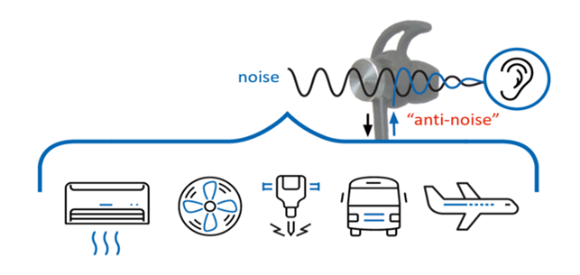
Noise cancellation technology is a remarkable innovation that utilizes sound wave manipulation to reduce unwanted ambient sounds. The core principle behind this technology is destructive interference. When sound waves are produced, they oscillate in waves of pressure; noise cancellation devices emit opposing sound waves that directly counteract these pressure waves. This results in a phenomenon where the peaks of one wave align with the troughs of another, effectively canceling the sound. Advanced algorithms and sensors continuously analyze the surrounding noise to adapt and generate these counteracting sound waves in real-time, creating a serene auditory environment.
There are two primary types of noise cancellation: passive and active. Passive noise cancellation relies on physical barriers, such as cushioned ear cups, to block external sounds, while active noise cancellation employs electronic processing to create those opposing sound waves. This active approach is particularly effective in combating low-frequency noises like the hum of an airplane or air conditioning units. As technology progresses, noise cancellation features are being incorporated into a wide range of devices, from headphones to smartphones, providing users with a focused and tranquil listening experience amidst the chaos of everyday life.
Is Noise Cancellation Right for You? Answering Common Questions
Noise cancellation technology has become increasingly popular, but is it right for you? Many people seek to enhance their listening experience or improve focus in noisy environments, prompting the question: Is noise cancellation right for you? This technology is particularly beneficial for frequent travelers, students, and professionals who work in bustling settings. Before making an investment, consider whether you often find yourself distracted by surrounding sounds and if a more peaceful auditory experience might boost your productivity or enjoyment.
To help you make an informed decision, here are some common questions answered about noise cancellation:
- How does it work? Noise-canceling headphones use microphones to pick up ambient sounds and create sound waves that are the exact opposite, effectively canceling each other out.
- Are they safe for long-term use? While generally safe, it’s important to take breaks from headphones to avoid ear fatigue.
- Do they block all sounds? Noise cancellation is most effective with consistent sounds, such as engine noise, but may not eliminate all distractions.