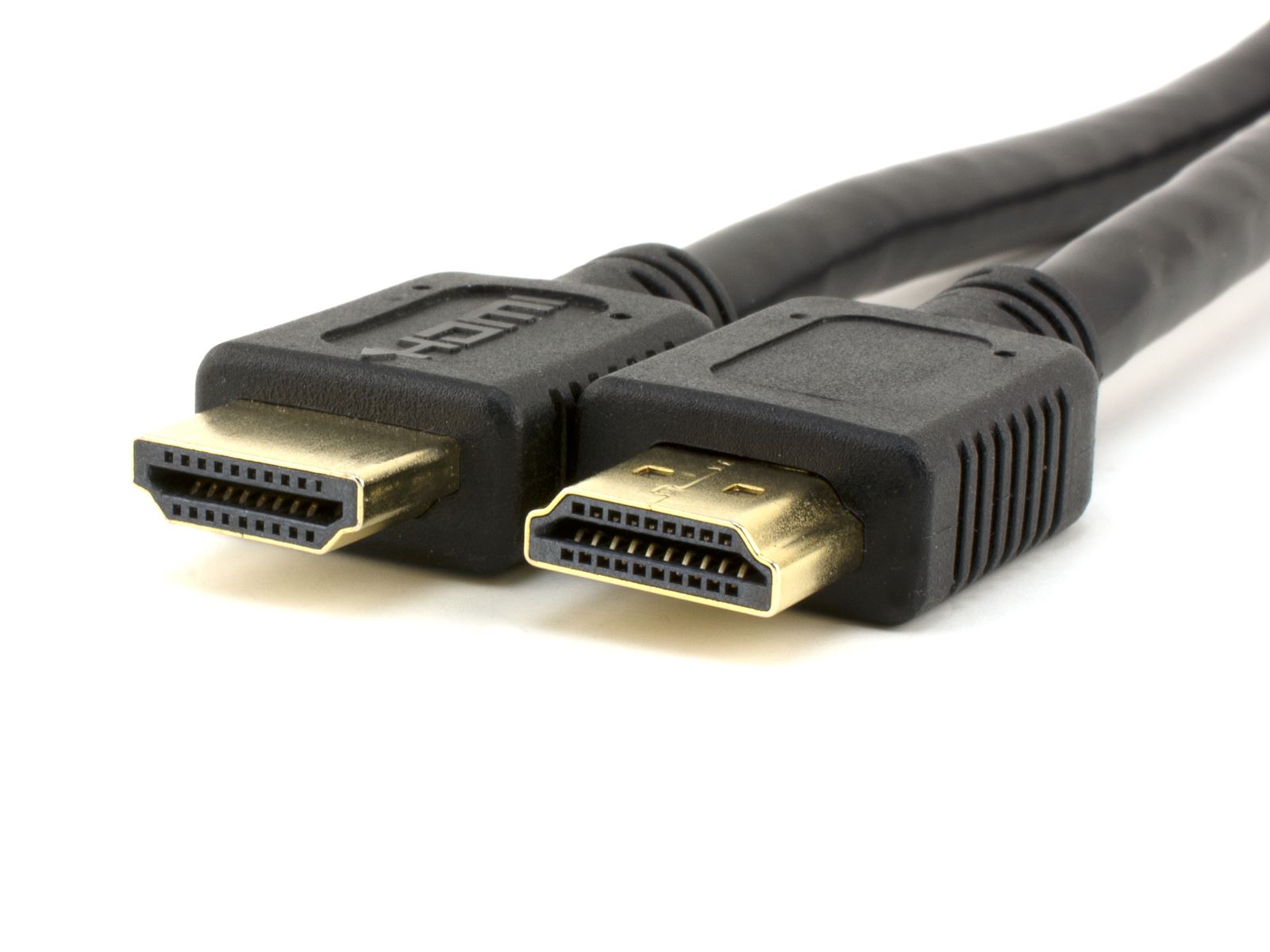
Understanding HDMI Cables: How They Work and Why You Need Them
HDMI cables, or High-Definition Multimedia Interface cables, are crucial components in the modern world of audio and video equipment. Designed to transmit both high-definition video and audio signals through a single cable, HDMI technology simplifies connections between devices such as televisions, Blu-ray players, gaming consoles, and computers. The functionality of an HDMI cable is determined by its ability to carry uncompressed video and multi-channel audio, providing a seamless and high-quality experience. Understanding how HDMI cables work involves knowing that they use a standard of compression and signal transmission that allows for the transfer of digital data, making them a preferred choice for both casual viewers and tech enthusiasts.
When considering the need for HDMI cables, several factors come into play. First and foremost is the compatibility with your devices; most modern electronics support HDMI, making it a universal choice for connecting devices. Additionally, HDMI cables support various formats, including 4K and 8K resolutions, ensuring that you can enjoy stunning visuals without compromising on quality. Therefore, investing in a reliable HDMI cable can enhance your overall viewing experience by reducing lag and maintaining a clear signal. In summary, whether you are setting up a home theater system or connecting devices in your workspace, understanding the importance and functionality of HDMI cables is essential for optimizing your technology setup.
Counter-Strike is a highly popular first-person shooter game that pits teams of terrorists against counter-terrorists in various objective-based formats. The game is known for its strategic gameplay, teamwork, and intense competitive scenes. For gamers looking to enhance their streaming experience, check out the Top 10 apple tv streaming accessories that can elevate gameplay and viewing enjoyment.
The Different Types of HDMI Cables: Which One is Right for You?
If you're navigating the world of home entertainment, understanding the different types of HDMI cables is essential. HDMI, or High-Definition Multimedia Interface, has evolved significantly since its introduction, with several types designed to cater to various needs. The most common types include Standard HDMI, High-Speed HDMI, and Ultra High-Speed HDMI. While Standard HDMI cables support resolutions up to 1080p, High-Speed HDMI cables are necessary for 4K resolutions and high refresh rates. Meanwhile, the Ultra High-Speed HDMI cables are designed to handle the latest technologies, including 8K video and advanced HDR formats.
Choosing the right HDMI cable depends on your devices and the content you wish to enjoy. If you're connecting older devices, a Standard HDMI cable may suffice. However, for modern gaming consoles, streaming devices, or 4K TVs, investing in a High-Speed HDMI or Ultra High-Speed HDMI cable will ensure optimal performance. It's also worth considering the cable length, as longer cables may require more robust specifications to maintain signal quality. To summarize, understanding the capabilities of each HDMI cable type will help you make an informed decision for your home entertainment setup.
Common HDMI Cable Issues and How to Troubleshoot Them
HDMI cables are essential for transmitting audio and video signals between devices, but they can sometimes encounter issues that disrupt your viewing experience. Common problems include no signal, flickering images, and audio dropouts. If you find yourself facing a no signal issue, first check that both ends of the cable are securely connected to the devices. Additionally, ensure that your input source is correctly set on your TV or monitor. If the connection is secure but the problem persists, try using a different HDMI port or swapping cables to rule out a faulty cable.
Another frequent issue is flickering or unstable images, which can be caused by a variety of factors. This can often be resolved by ensuring that your HDMI cable is not running too close to power sources or other interference. If the flicker remains, consider updating the firmware on your devices, as outdated software can sometimes lead to compatibility issues. Lastly, check the resolution settings on your devices; mismatched resolutions can also cause visual problems. By following these troubleshooting tips, you can maintain a seamless audio-visual experience with your HDMI connections.