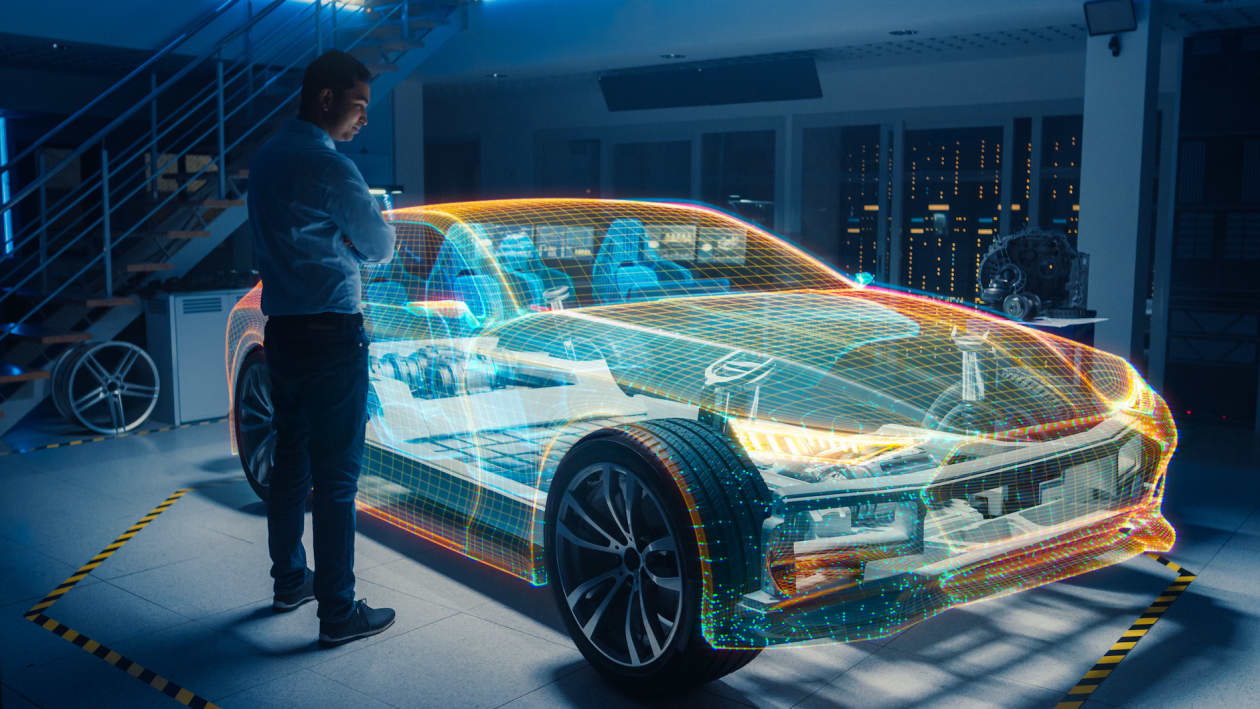
The Rise of Autonomous Vehicles: How Self-Driving Cars Are Changing Transportation
The rise of autonomous vehicles is revolutionizing the transportation landscape, ushering in a new era of mobility that promises not only to enhance convenience but also to improve safety and efficiency on our roads. These self-driving cars utilize advanced technologies, including artificial intelligence, sensors, and machine learning, to navigate without human intervention. As cities become more congested and environmental concerns escalate, the adoption of autonomous vehicles may offer sustainable solutions to urban transport challenges.
One of the most significant implications of self-driving cars is the potential to reduce traffic accidents caused by human error, which statistics show account for over 90% of road incidents. Moreover, these vehicles are designed to optimize traffic flow, potentially leading to decreased congestion and shorter travel times. As we stand on the brink of this transformative shift, it is essential to consider how the integration of autonomous vehicles into our daily lives will impact not only personal mobility but also the economy, urban planning, and our societal norms.
Counter-Strike is a highly popular multiplayer first-person shooter game that pits terrorists against counter-terrorists in various objective-based scenarios. With its competitive gameplay and strategic elements, players find themselves immersed in intense matches. For gamers looking for an optimal setup, consider checking out the Top 10 iphone car mounts to enhance your gaming experience on the go.
Navigating Smart Roads: The Role of Connected Infrastructure in Future Travel
The future of travel is evolving at an unprecedented pace, and connected infrastructure is at the heart of these advancements. As cities become smarter, the integration of technology into our road systems is essential for enhancing safety, efficiency, and sustainability. Smart roads equipped with sensors, communication systems, and real-time data analytics enable vehicles and infrastructure to interact seamlessly. This connectivity allows for improved traffic management, reduced congestion, and an overall better travel experience. Key components of connected infrastructure include:
- Vehicle-to-Infrastructure (V2I) communication
- Traffic flow monitoring systems
- Adaptive traffic signals
Furthermore, smart roads play a crucial role in supporting autonomous vehicles, which rely on data from their surroundings to navigate safely. With connected infrastructure, information about road conditions, accidents, and construction can be relayed instantly to both drivers and vehicles. This ongoing communication not only enhances safety but also promotes eco-friendly travel by optimizing routes and reducing emissions. As we continue to invest in these innovations, it's clear that embracing smart roads and connected infrastructure will be pivotal for future transportation systems, ensuring a more connected, efficient, and sustainable travel landscape.
What Innovations in Car Technology Should You Expect in the Next Decade?
As we look towards the future, the automotive industry is poised for a revolution driven by technological innovations. One of the most significant advancements we can expect in the next decade is the widespread adoption of electric vehicles (EVs). With governments around the world implementing stricter emission regulations and consumers becoming more eco-conscious, major car manufacturers are investing heavily in EV technology. Additionally, the development of faster and more efficient charging stations will make owning an EV more practical and attractive. Autonomous driving technology is also expected to evolve, with companies like Tesla, Waymo, and others increasingly refining their self-driving systems, potentially transforming how we think about transportation.
Another key innovation on the horizon is the integration of connected car technology, which will enhance the overall driving experience by allowing vehicles to communicate with each other and with smart infrastructure. This communication can lead to improved traffic management and safety, reducing congestion and accident rates. Furthermore, advancements in in-car entertainment systems are set to revolutionize interior design, offering features like augmented reality navigation and immersive multimedia experiences. As we embrace these innovations, consumers can look forward to a future where cars are not just modes of transportation but smart, connected devices that enhance mobility and convenience.